Difference Between Dry Barrel and Wet Barrel Fire Hydrants
Fire hydrant selection depends on climate, application, and operational requirements. Understanding the differences between dry and wet barrel hydrants helps ensure reliable fire protection.
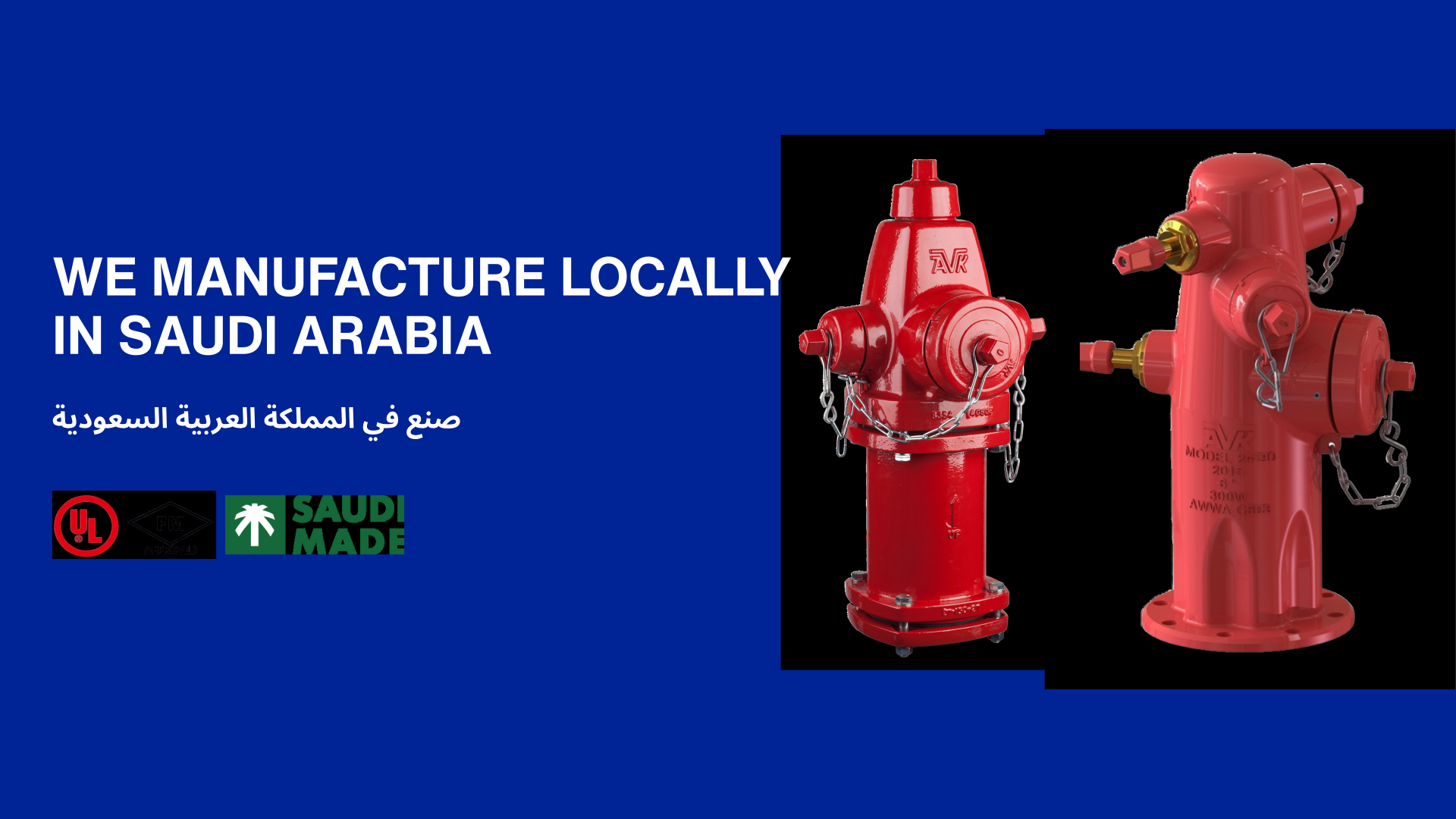
We manufacture fire hydrants locally in Saudi Arabia in full compliance with UL/FM standards and Aramco approvals. This enables us to support local projects while meeting high fire protection requirements across industrial and infrastructure applications.
A common topic in project discussions is the functional difference between dry barrel and wet barrel fire hydrants.
Dry barrel hydrants are designed for installations where low temperatures may occur. The main valve is positioned below the frost line, and the barrel remains empty when the hydrant is not in operation. This design helps prevent freezing, mechanical stress, and operational issues in cold environments.
Wet barrel hydrants are installed in areas without freezing conditions. Water is permanently present inside the barrel, which allows immediate water discharge once the hydrant is opened. This characteristic supports fast system activation during firefighting operations.
In hot climates, wet barrel hydrants are widely specified for water, oil & gas, and industrial facilities. Their design supports rapid response, straightforward operation, and consistent performance under demanding operating conditions.
A common topic in project discussions is the functional difference between dry barrel and wet barrel fire hydrants.
Dry barrel hydrants are designed for installations where low temperatures may occur. The main valve is positioned below the frost line, and the barrel remains empty when the hydrant is not in operation. This design helps prevent freezing, mechanical stress, and operational issues in cold environments.
Wet barrel hydrants are installed in areas without freezing conditions. Water is permanently present inside the barrel, which allows immediate water discharge once the hydrant is opened. This characteristic supports fast system activation during firefighting operations.
In hot climates, wet barrel hydrants are widely specified for water, oil & gas, and industrial facilities. Their design supports rapid response, straightforward operation, and consistent performance under demanding operating conditions.